Art
Salt dough shapes
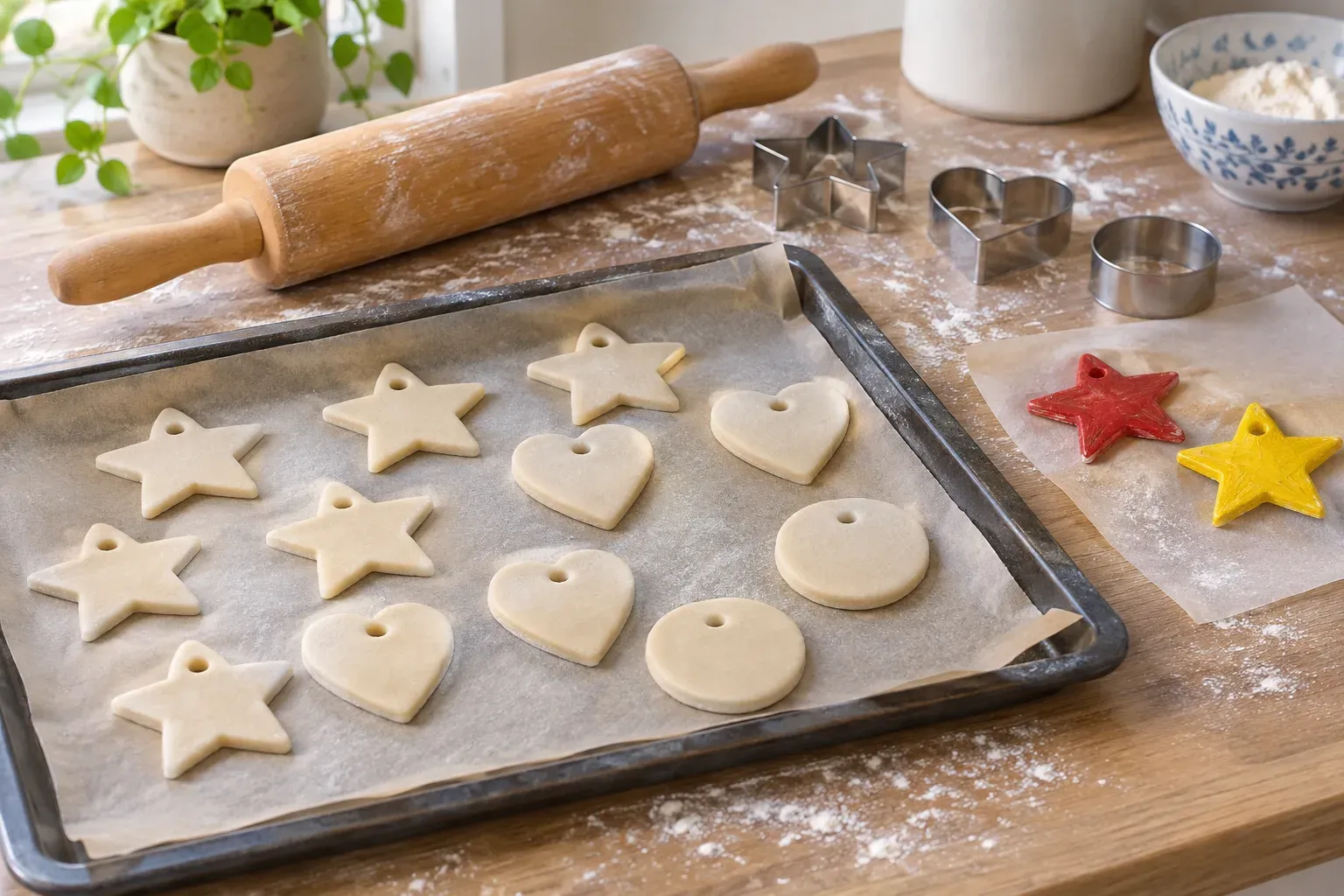
Mix flour, salt and water into a firm dough, cut out shapes, bake them hard, then paint them another day.
- Age
- 2 to 6 years
- Play time
- 30 min
- Set-up
- 10 min prep
- Where
- Indoors
- Who
- Any number of kids
- Clean-up
- Medium mess
Salt dough has been around for generations because it works. Three cupboard ingredients make a dough that rolls, cuts and bakes as hard as pottery. The making is one session and the painting is another, which splits nicely over a weekend. Toddlers mostly squash and poke, and older children make ornaments they will want to give to grandparents. Be warned that thick pieces take ages in the oven, so keep everything thin and flat.
Plain flour is all-purpose flour in the US, and biscuit cutters are cookie cutters.
How to play
-
In a large bowl, mix two cups of plain flour with one cup of salt, then pour in about one cup of water a little at a time, stirring until it comes together.
-
Knead it on the bench for a few minutes until it is smooth and firm, like play dough that does not stick to your fingers. Add a spoon of flour if it is sticky, or a splash of water if it cracks.
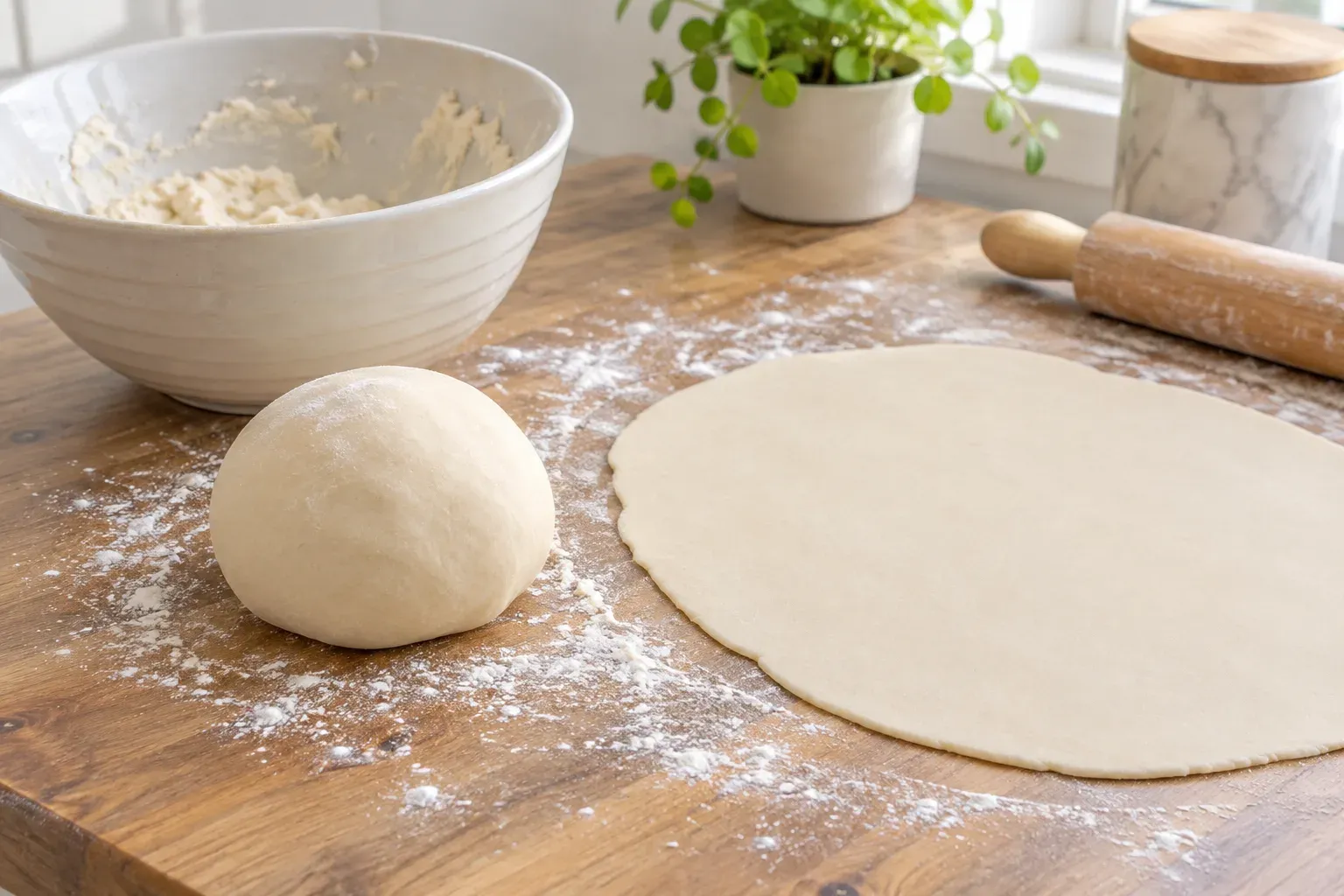
Smooth and firm, not sticky or cracking -
Give your child a lump and a rolling pin, help them roll it about half a centimetre thick, and let them press out shapes with biscuit cutters.
-
Poke a hole near the top of each shape with a drinking straw if you want to hang them, and lift them onto a tray lined with baking paper.
-
You bake them at around 120°C for two to three hours, turning them once, until they are hard and dry right through. Leave them to cool completely.
-
Paint them the next day, and add a second coat once the first has dried.
What you need
- plain flour
- table salt
- water
- large bowl
- rolling pin
- biscuit cutters
- drinking straw
- baking tray
- baking paper
- oven
- paint and brushes
Don't have it?
- No biscuit cutters? Cut round a cardboard template with a blunt butter knife, or press out circles with the rim of a cup.
- No straw? The end of a chopstick makes a neat hanging hole.
Stay close
The oven is your job. The dough contains wheat and a great deal of salt, so it is not for eating, and raw or baked pieces must be kept away from dogs, which salt can make very ill.
What they are practising
- fine motor. Rolling dough flat and pressing a cutter firmly down uses both arms and a strong push of the palms.
- sensory exploration. Kneading the cool, slightly gritty dough gives their palms and fingertips plenty to feel.
- creativity. Painting a plain baked star however they like turns it into something that is entirely theirs.
Make it easier
A two-year-old can press cutters into dough you have rolled for them, or simply squash a lump flat and push in a few large shells to make prints.
Make it harder
Older children can model small animals, make a palm-print plaque, or scratch their initials and the date on the back with a toothpick before baking.
Parents ask
- Can I keep leftover dough for tomorrow?
- Wrap it tightly in cling film or a sealed bag and keep it in the fridge for a few days. Knead it again before use, adding a little flour if it has gone sticky.
- My shapes puffed up and cracked in the oven. Why?
- The oven was probably too hot or the pieces too thick. Keep the temperature low, around 120°C, and roll thinner next time.
- My toddler keeps trying to eat it. What now?
- Salt dough is not food and is far too salty to eat, so take it away and save it for when the mouthing stage has passed.
Find more like this
2 year olds3 year olds4 year olds5 year oldsIndoorsArtWith paintWith paper